Ever wondered what's really in the water at your favorite beach or surf break?
Bring a water sample from your favorite beach, surf break, or stream, and we'll help you investigate what's in it!
Join Surfrider Foundation's Oʻahu Chapter and the Waikīkī Aquarium for our first-ever Community Water Testing Day, a hands-on opportunity to explore the science behind water quality monitoring and discover what might be lurking beneath the surface.
Sunday, November 22, 2026 | 10 AM – 4 PM | Waikīkī Aquarium

Whether you're a surfer, swimmer, curious beachgoer, or budding scientist, this family-friendly event offers a rare behind-the-scenes look at how scientists monitor the health of our coastal waters.
Surfrider Foundation's Blue Water Task Force (BWTF) is the nation's largest volunteer-run beach water quality monitoring program. Here on Oʻahu, our trained volunteers collect water samples from 38 sites across the island every other week, testing for Enterococcus, a bacteria that indicates the possible presence of fecal contamination from human or animal waste. Elevated levels can signal an increased risk of exposure to harmful pathogens that can make people sick.
But what about the beaches and surf breaks we don't regularly test?
This is your chance to bring the water you care about into the lab!
Follow your sample through the testing process, meet local water quality scientists, and get a firsthand look at the tools and techniques used to investigate pollution in our coastal waters.
Led by Dr. Daniel Amato, Surfrider's Oʻahu BWTF Coordinator and water quality research scientist, participants will explore a variety of water quality testing methods, including:
- Fecal Bacteria: Learn how we test for Enterococcus and what the results can tell us about potential health risks.
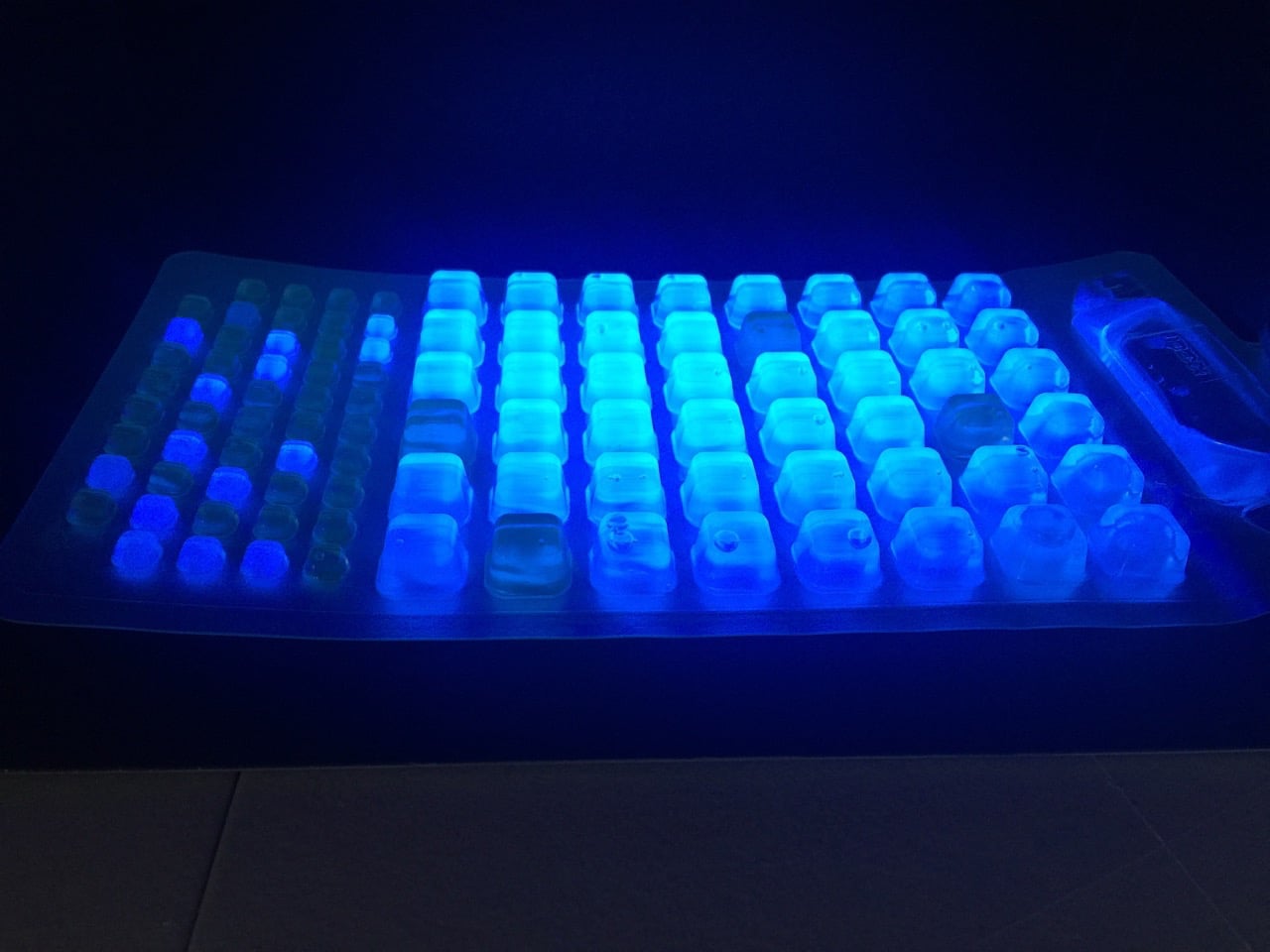
- Tracking wastewater pollution: Discover how optical brighteners found in laundry detergents can provide clues about wastewater contamination.
- The science of salinity and pH: Explore what these measurements can reveal about coastal water conditions.
- DNA investigations: See how scientists filter water samples to collect genetic material and investigate what might be present.
- A microscopic world: Take a closer look at your water sample under a microscope and discover what you might otherwise never see.
You'll also have the opportunity to explore an innovative new water quality forecasting tool developed by ʻIolani School students that uses Surfrider's monitoring data to help estimate the risk of illness at popular beaches.
From collecting a sample to understanding what the science reveals, you'll walk away with a better understanding of the water we swim, surf, and play in every day.
All ages are welcome, and no science experience is necessary. Just bring your curiosity — and a water sample!
How to Collect Your Water Sample
Want to bring water from your favorite spot? Follow these simple instructions:
- Collect your sample within six hours of arriving at the aquarium.
- Use a clean plastic bottle or jar.
- Collect 16–32 ounces (0.5–1 liter) of ocean or stream water. Drinking water samples will not be accepted.
- Rinse your bottle 3 x with water from your sampling location before collecting your sample. Avoid touching the inside of the bottle or cap.
- Record the time and exact location where you collected your sample.
- Keep your sample cool! Place it in a cooler with ice as soon as possible and keep it out of direct sunlight until you arrive.
Please note: Samples will be accepted on a first-come, first-served basis while supplies last. The last samples will be accepted at 3 PM.
 Prior to her role as Hawai`i Regional Manager and Maui Fire Response Coordinator, Hanna has had a long history in non-profit leadership and environmental conservation in Hawai`i. With a Bachelor's degree in Biology she moved to Maui in 2013 where she spent the next decade working as a restoration technician.